
Lymphedema
What Is Lymphedema?
Lymphedema develops when the lymphatic system is unable to adequately transport lymphatic fluid from an area of the body. This can lead to an accumulation of protein-rich lymphatic fluid within the tissues, resulting in persistent swelling and, over time, changes in the tissue itself.
Although swelling is often casually described as “water weight,” lymphatic fluid is not simply excess water. It contains proteins, cellular material, immune components, and other substances normally transported by the lymphatic system, with water making up only a smaller percentage of its overall composition.
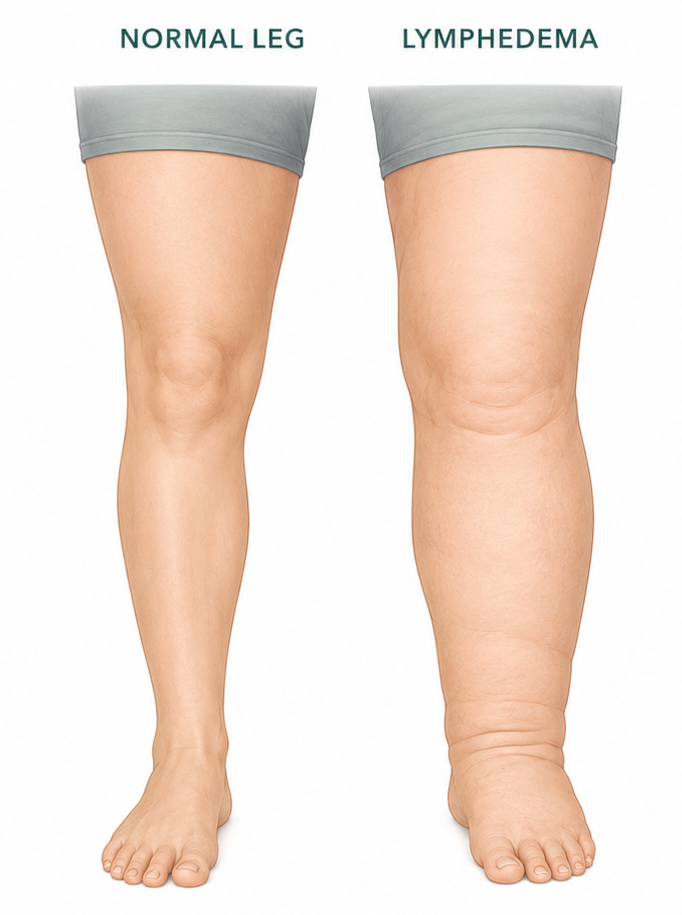
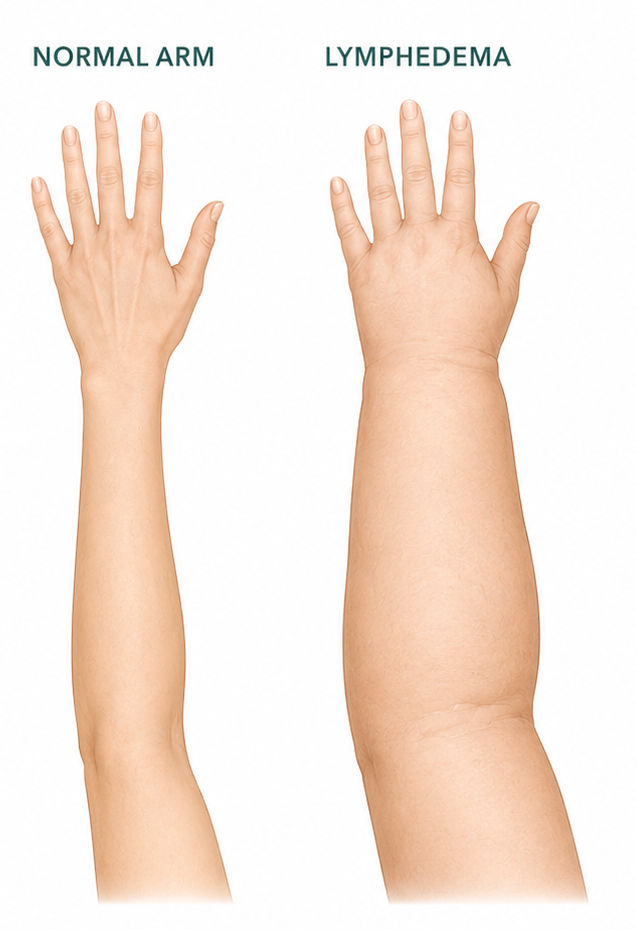
Lymphedema most commonly affects an arm or leg, although it may also occur in the face/neck, breast/chest, trunk, abdomen, pelvis, or genitals.
When the extremities are involved, asymmetry is common—one arm or leg may be noticeably more affected than the other. This can be an important clue when distinguishing lymphedema from other conditions, including the more characteristically symmetrical presentation of lipedema.
Lymphedema is generally considered a chronic condition. While there is currently no known cure, appropriate treatment and long-term management can reduce swelling, improve tissue health and function, and help limit progression and complications.
What Causes Lymphedema?
Lymphedema is generally classified as
Primary or Secondary,
based on how the lymphatic system
became compromised.
Primary lymphedema results from developmental or genetic differences
affecting the formation or function of the lymphatic system.
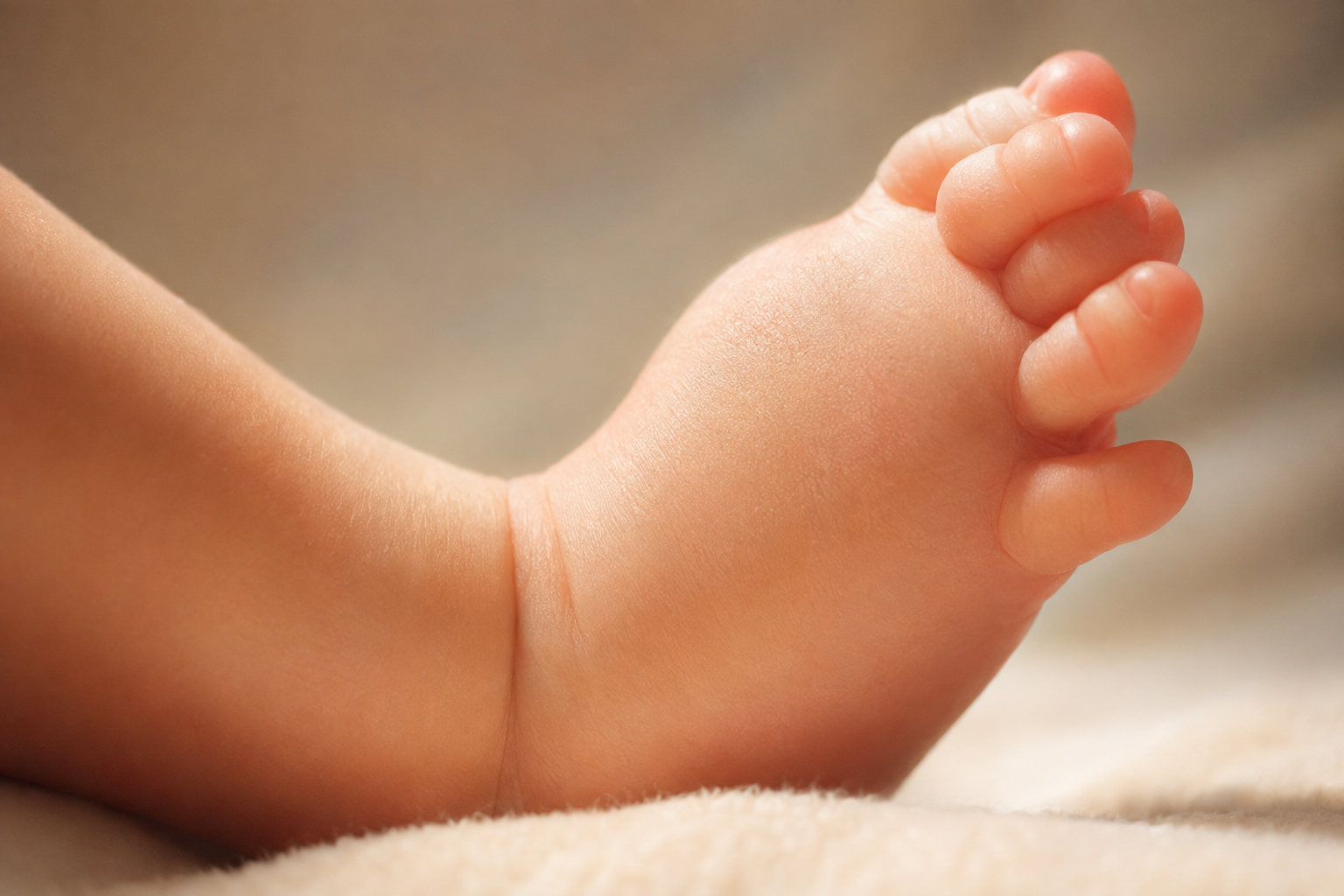
It may be present at birth or become apparent later in life. Changes in growth, hormones, physical demands, injury, illness, pregnancy, or other stresses on lymphatic capacity may contribute to when symptoms first become noticeable.
Primary lymphedema most commonly affects the lower extremities, although the upper extremities and other areas of the body may also be involved.
Secondary lymphedema develops when previously functioning lymphatic pathways are damaged, removed, obstructed, or overwhelmed.
Common causes include surgery, lymph-node removal or disruption, radiation therapy, cancer or tumor involvement, trauma, infection, significant scarring, or other injury to lymphatic structures.
Cancer treatment involving procedures such as mastectomy or lumpectomy, axillary or inguinal lymph-node procedures, and/or radiation are familiar examples of circumstances that can increase the risk of developing secondary lymphedema.
Other medical conditions may cause swelling, increase lymphatic load, or further compromise an already challenged lymphatic system. These can include Chronic Heart Failure (CHF), Deep Vein Thrombosis (DVT), phlebitis, Chronic Venous Insufficiency (CVI), thyroid-related conditions, and abnormal changes or deposits in adipose (fat) tissue.
Because swelling can have multiple—and sometimes overlapping— causes, understanding why an area is swollen matters when determining an appropriate approach to care.
Stages of Lymphedema
Lymphedema can change over time. Staging describes the presentation of swelling
and tissue changes and helps guide treatment and long-term management.
STAGE O
SUBCLINICAL
No visible swelling is present, but lymphatic transport is known or suspected to be impaired.
Heaviness, fullness, tightness, or subtle tissue changes may occur before measurable swelling develops.
STAGE I
REVERSIBLE
Visible swelling develops and the tissue generally remains soft.
Pitting may be present and swelling may temporarily improve with elevation.
STAGE II
IRREVERSIBLE
Swelling becomes persistent and no longer resolves with elevation alone.
Pitting is common earlier, while increasing fibrosis and tissue changes may make the area firmer over time.
STAGE III
ADVANCED
Significant swelling and tissue changes are present.
Fibrosis, skin thickening, enlarged folds, hyperkeratosis, papillomatosis, and other changes may develop.
What Does “Pitting” Mean?
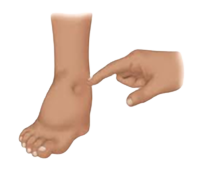
Pitting edema describes swelling in which gentle, sustained pressure leaves a temporary indentation—or “pit”—in the tissue after the pressure is removed.
Pitting is commonly seen in earlier stages of lymphedema, when the tissues remain relatively soft. As lymphedema progresses and fibrosis develops, the tissue may become firmer and less likely to pit.
Pitting alone does not diagnose lymphedema. Other causes of edema can also produce pitting, which is why the overall pattern, history, tissue changes, and medical circumstances matter.
Possible Signs & Symptoms of Lymphedema
Lymphedema does not always begin with obvious or persistent swelling.
Early changes may be subtle, come and go, or simply make an area feel different than usual.
Be aware of changes such as:
- Swelling or unusual fullness in an arm, leg, hand, foot, fingers, toes, face, neck, chest, abdomen, genital area, or elsewhere in the body
- A feeling of heaviness, tightness, pressure, or fullness
- Jewelry, clothing, shoes, or watches feeling tighter or fitting differently than usual
- Reduced range of motion, decreased function, or greater difficulty moving the affected area
- A sensation of tightness, tugging, or a “string/rope” feeling beneath the skin or through the tissues
- Changes in the skin or underlying tissue, including firmness, hardening, thickening, or changes in texture or appearance
- Recurrent skin infections, particularly cellulitis
- Swelling that comes and goes or improves with rest or elevation, particularly during earlier stages
- Gradual changes in the size, shape, or contour of the affected area
Pain may or may not be present. The absence of pain does not necessarily mean that lymphatic changes are not occurring.
What About the Stemmer Sign?
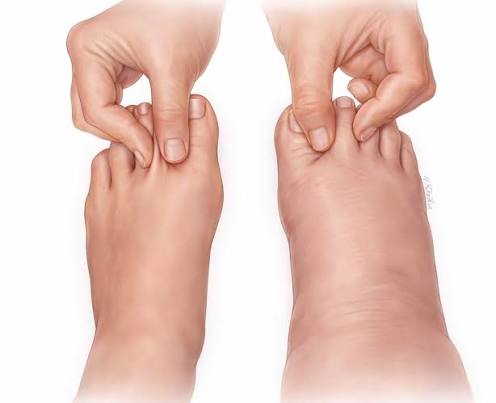
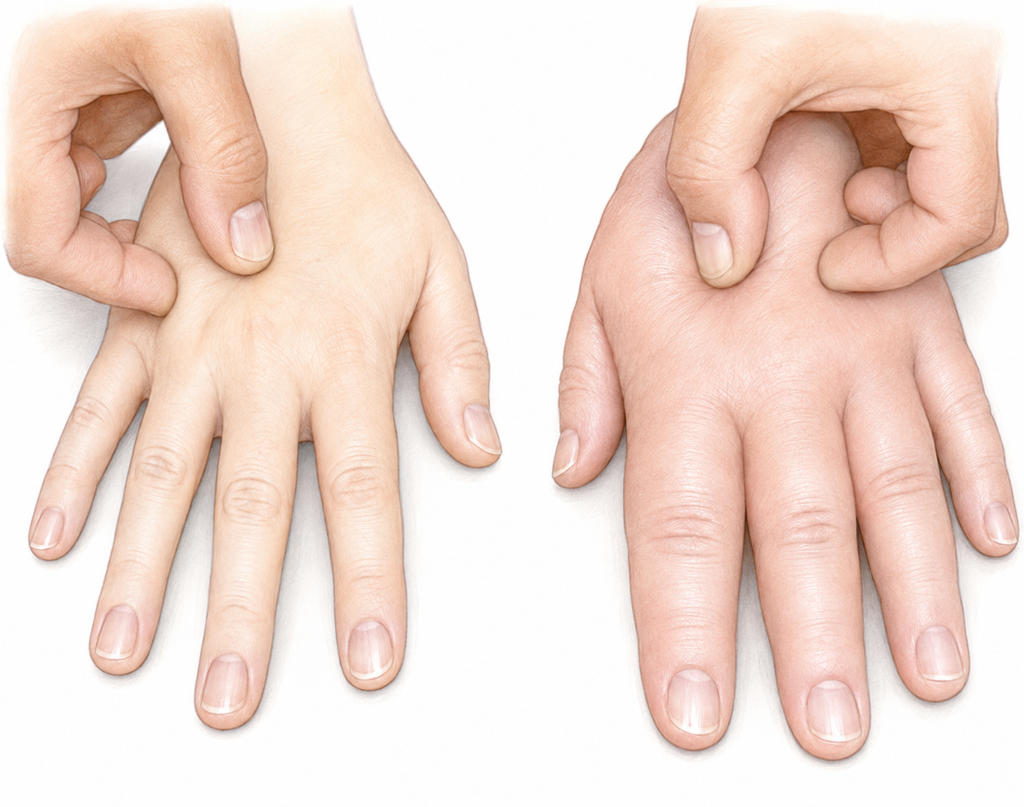
The Stemmer sign is another clinical observation that can help when evaluating possible lymphedema. It is assessed by gently attempting to lift a fold of skin—commonly at the base of a finger or toe.
When the skin has thickened enough that it cannot easily be lifted into a fold, this is considered a positive Stemmer sign and may support the clinical picture of lymphedema.
However, a negative Stemmer sign does not rule out lymphedema. Diagnosis considers the overall pattern of swelling, tissue changes, health and surgical history, symptoms, and other possible causes.
New, persistent, unexplained, or changing swelling should be medically evaluated. Early recognition provides an opportunity to identify the cause and determine whether lymphatic care or other medical treatment is appropriate.
Cellulitis & Lymphedema
Cellulitis is a bacterial infection of the deeper layers of the skin and surrounding tissues that requires prompt medical attention.
People with lymphedema may have an increased risk of developing cellulitis
because the affected lymphatic system has a reduced ability to manage fluid, inflammation, and infection.
Cellulitis can develop quickly.
Possible Signs & Symptoms
- Redness or a rash that may spread or increase
- Unusual warmth or heat in the affected area
- Increased swelling
- Pain, tenderness, or sensitivity
- Skin that appears increasingly inflamed or feels tight
- Fever, chills, fatigue, or suddenly feeling unwell
Why Is Cellulitis Important With Lymphedema?
Lymphedema and cellulitis can unfortunately influence one another. Lymphedema can increase susceptibility to infection, while cellulitis can further stress or damage the lymphatic system and contribute to increased swelling.
Repeated episodes of cellulitis may further complicate lymphedema management.
If You Suspect Cellulitis
Seek prompt medical evaluation if you suspect cellulitis. Cellulitis is generally treated with antibiotics and should not be managed with lymphatic drainage alone.
Manual Lymphatic Drainage (MLD) should not be performed over an area with a suspected active infection until the infection has been medically evaluated and appropriately treated.
Rapidly spreading redness, significant or rapidly increasing swelling or pain, fever or chills, confusion, weakness, or feeling seriously ill warrant urgent medical attention.
Knowing what is normal for your body—and recognizing when something changes—is an important part of living well with lymphedema.
How Is
Lymphedema Treated?
Because lymphedema is a chronic condition, treatment has two related goals:
reduce the swelling and associated tissue changes as much as reasonably possible—
and maintain improvements over time.
The recognized gold-standard treatment is Complete Decongestive Therapy (CDT).
CDT traditionally consists of
four primary components:
A Resource to Share With Your Healthcare Provider
Lymphedema can still be missed or incompletely understood in general medical settings.
Medical evaluation remains important for new, unexplained, or changing swelling,
while specialized lymphatic assessment and education can
help clarify what may be happening and what care may be appropriate.
If your Physician, Nurse Practitioner, PA, or other healthcare provider would benefit from additional lymphedema information, this guide offers an overview you can share with them.
MANUAL LYMPHATIC DRAINAGE (MLD)
Manual Lymphatic Drainage is a specialized, gentle hands-on technique designed to support lymphatic transport.
MLD stimulates lymphatic activity and helps direct lymphatic fluid toward available, functioning pathways. As part of a comprehensive CDT program, MLD works together with compression, movement, skin care, and self-management to support reduction and control of swelling.
PHYSICAL ACTIVITY,
MOVEMENT, & EXERCISE
Movement supports the body’s natural muscle and joint pumps, which assist both lymphatic and venous return.
Exercise is individualized according to the person’s health, mobility, affected area, compression needs, and physical abilities. During active decongestion, appropriate movement while wearing prescribed compression can help support the effects of treatment.
Prolonged periods of sitting or standing should be avoided whenever possible. As part of lymphedema management, changing position and moving approximately once each hour is encouraged, adapting activity to the individual’s abilities and medical needs.
COMPRESSION, BANDAGING, & GARMENT THERAPY
Compression is an essential component of lymphedema treatment and long-term management.
During active decongestion, a multilayer compression system using short-stretch bandages may be used to help prevent re-accumulation of fluid between treatments and support the muscle and joint pumps during movement.
Traditional elastic ‘ACE’-type bandages are not an appropriate substitute and are contraindicated for lymphedema compression bandaging.
Once adequate decongestion has been achieved, properly fitted medical-grade compression garments are commonly used to help maintain the reduction.
Medical-grade compression garments have a functional lifespan. Many are designed for approximately six months of regular wear and may require earlier replacement if fit, compression needs, body size, or the condition changes.
A trained professional should fit medical-grade compression garments whenever possible.
NMWLR is a Juzo retailer and also works with Jobst and Medi when appropriate.
SKIN CARE
Healthy skin is an important part of lymphedema management.
Lymphedema increases the risk of cellulitis, a potentially serious bacterial skin infection. Changes in lymphatic transport and local immune function can reduce the body’s ability to manage infection in an affected area.
Protecting the skin, preventing excessive dryness and cracking, promptly attending to cuts, scratches, insect bites, and other breaks in the skin, and recognizing early signs of infection are important parts of ongoing care.
Products such as Aquaphor, Cetaphil, Eucerin, and CeraVe offer fragrance-free or sensitive-skin options that may work well for lymphedema skin-care needs.
Minor cuts and breaks in the skin should be cleaned and monitored carefully. An over-the-counter triple-antibiotic ointment may be appropriate for minor wounds when medically suitable for the individual.
Increasing redness, warmth, pain, rapidly increasing swelling, fever, or other signs of infection require prompt medical attention.
Lymphedema Treatment Occurs in Two Phases:
PHASE I — DECONGESTIVE TREATMENT
The initial, more intensive phase focuses on reducing swelling, improving tissue condition, and supporting lymphatic movement.
Treatment typically combines Manual Lymphatic Drainage (MLD), exercise and movement, skin care, and multilayer compression bandaging using short-stretch bandages.
Short-stretch bandages provide a specialized form of compression designed to work with movement and the body’s muscle pumps during decongestion.
Traditional elastic ‘ACE’-type bandages are contraindicated for lymphedema compression bandaging and should not be substituted for a properly applied short-stretch multilayer system.
The frequency and duration of the decongestive phase depend upon the individual presentation, amount and location of swelling, tissue changes, response to treatment, and other health considerations.
PHASE II — MAINTENANCE & LONG-TERM MANAGEMENT
Once the best achievable reduction has been reached, care shifts toward maintaining those gains and limiting re-accumulation or progression.
Long-term management commonly includes properly fitted medical-grade compression garments, self-Manual Lymphatic Drainage (self-MLD), regular movement and exercise, diaphragmatic breathing, skin care, monitoring for changes, and continued education and self-management.
The goal is not simply to complete a course of treatment—it is to give the individual the knowledge and tools needed to manage a chronic lymphatic condition over time.
Beyond the Four Main
CDT Components:
Education, Breath,
& Self-Management
EDUCATION & SELF-MANAGEMENT
Understanding what is happening, why it is happening, what changes to watch for, and what can be done independently is an essential part of living well with lymphedema.
Education may include self-MLD, compression use and garment care, skin protection, exercise and movement, recognizing changes in swelling or tissue, infection awareness, travel considerations, and knowing when additional professional or medical care is needed.
DIAPHRAGMATIC BREATHING
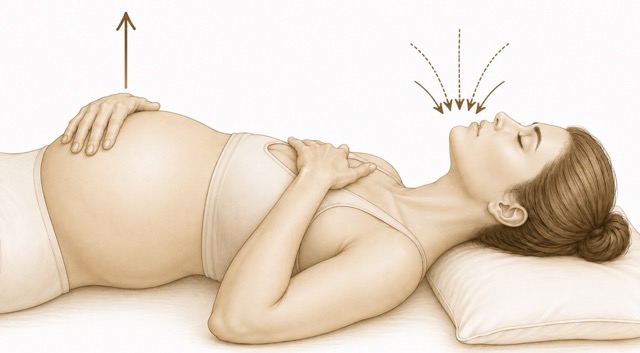
Diaphragmatic breathing creates pressure changes within the chest and abdomen that support movement through the body’s central lymphatic pathways.
It is a simple but important part of lymphatic self-care and can be incorporated throughout the day, during exercise, and as part of a self-MLD routine.
Lymphedema &
Lipedema:
Are They the Same?
No—but they can coexist.
Lymphedema and Lipedema
are two distinct conditions.
Lipedema involves characteristic changes in adipose (fat) and
connective tissue and commonly presents differently from lymphedema
— including a tendency toward more symmetrical involvement.
Over time, lymphatic compromise may also develop in someone with lipedema, creating a combined Lip/Lymph or Lymph/Lip presentation.
Recognizing both the distinction and the possibility of overlap matters.
Treatment and long-term management should be based on the individual’s actual tissue
and lymphatic presentation rather than assuming all swelling is caused by the same process.
Traveling With Lymphedema
Travel doesn’t have to stop because you have lymphedema, but changes in routine, prolonged sitting, heat, skin exposure, compression needs, and distance from familiar healthcare resources make planning ahead important.
Because lymphedema itself increases the risk of cellulitis, having a plan for recognizing and responding to infection while away from home is particularly important.
Before traveling, ask your prescribing healthcare provider to have an emergency course of antibiotics (or presciption) available to begin promptly if signs of cellulitis arise — especially if you have previously experienced cellulitis or will be traveling somewhere with limited access to medical care.
AIR TRAVEL
Air travel can involve prolonged sitting, changes in cabin pressure, dehydration, and disruption of normal movement and daily routines.
Follow your established compression plan during travel and discuss any uncertainty about compression with your lymphedema professional before flying. Build regular movement into longer flights when possible, perform appropriate seated exercises, and continue your usual self-management routine.
If you routinely wear compression garments, plan ahead so that garments are clean, properly fitted, in good condition, and available throughout the trip.
DRIVING & ROAD TRAVEL
Long periods of driving can mean extended immobility.
Plan regular stops—approximately every hour when practical—to change position, walk or perform appropriate exercises. Be mindful of prolonged heat and direct sun exposure, protect the skin, and continue your usual compression and self-care routine.
For longer trips, build movement and recovery time into the journey rather than expecting your body to tolerate hours of uninterrupted travel.
Lymphedema Care at NMWLR
Lymphedema care at NM Wellness, Lymphatics, & Rehabilitation is individualized according to the type and stage of lymphedema, medical and surgical history,
tissue presentation, mobility and function, available lymphatic pathways, compression needs, and personal goals.
Care may incorporate Complete Decongestive Therapy (CDT), multilayer short-stretch bandaging,
medical-grade compression strategies, movement and exercise, skin-care education, MLD,
self-MLD, diaphragmatic breathing, and long-term self-management education.
The goal is not simply to address swelling in the moment, but to help each person better
understand their condition and develop practical strategies
for managing their lymphatic health over time.
In-office care is available in Albuquerque, NM.
Individualized video consultation and education are also
available when hands-on treatment is not available or required.